
From Video Star to Voice First: OpenAI’s Big Bet
In February 2024, OpenAI dropped a bombshell called Sora. This AI could create realistic videos from simple text descriptions. Overnight, it changed how people thought about making movies and content. The hype was so massive that even Disney reportedly planned to invest one billion dollars and bring their famous movie characters into Sora 2.
Fast forward to March 2026. In a shocking move, OpenAI announced they were shutting down Sora completely. The API service would stop working by September. Why would they kill a product that seemed to be the future of entertainment?
The answer is simple: OpenAI needed the computing power for something else. In their own words, they wanted to “move computing resources to core business products.” And that product is not video. It is voice.
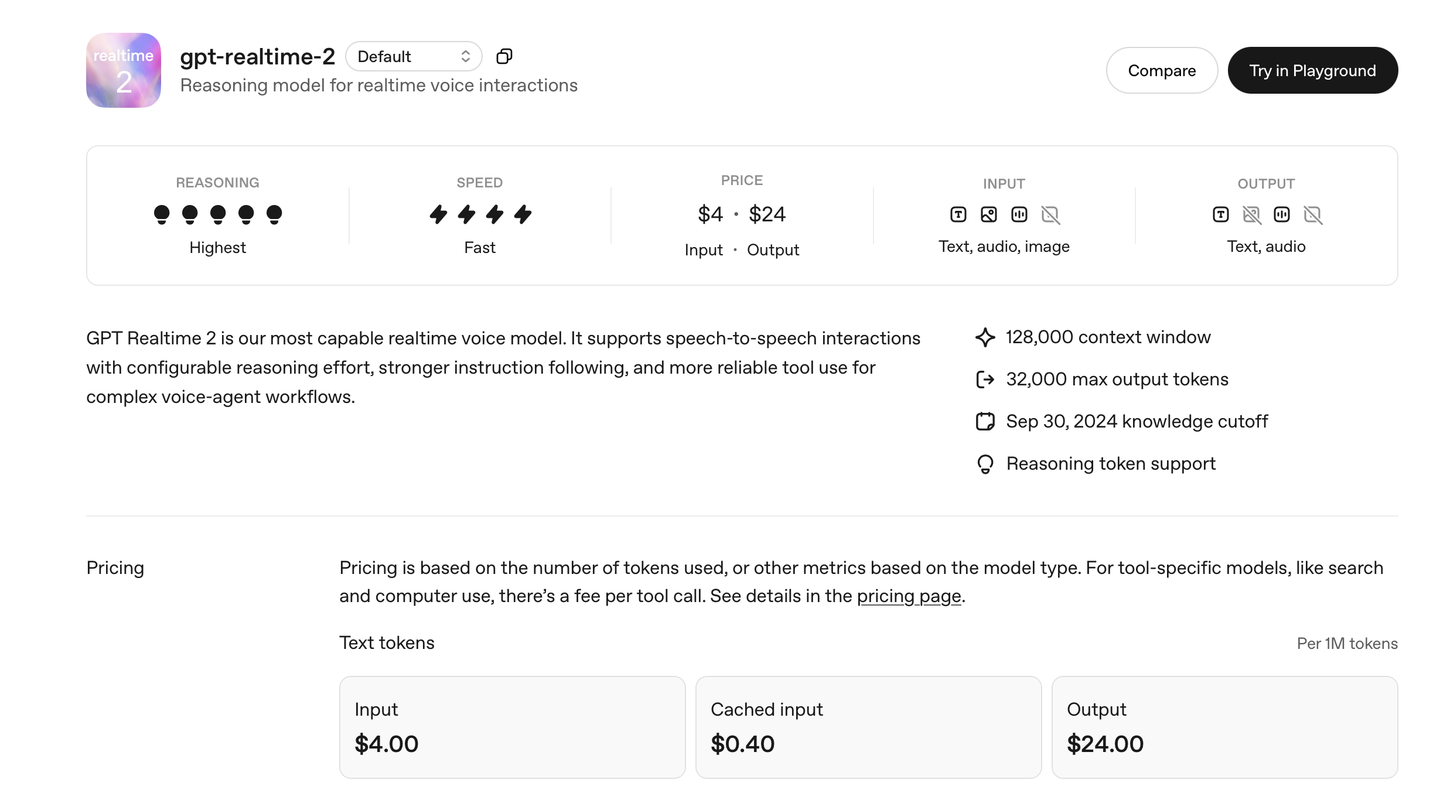
Meet GPT-Realtime-2: The AI That Actually Talks
Over the past few months, OpenAI has been busy. In April 2026, they released GPT-Image 2.0 and GPT-5.5. Then on May 7, they launched GPT-5.5 Instant and their new star player: the GPT-Realtime-2 family of models.
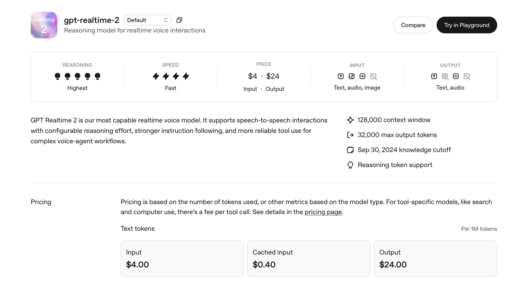
Think of GPT-Realtime-2 (or GPT RT2 for short) as a super-smart AI voice assistant. But unlike the robotic voices you hear in old customer service calls, this one sounds truly human.
The system comes in three flavors:
- GPT-Realtime-2: The main model that can think and talk at the same time
- GPT-Realtime-Translate: An instant translator that works as fast as professional interpreters
- GPT-Realtime-Whisper: A super-fast note-taker that turns speech into text instantly
What makes GPT RT2 special? It has the brain power of GPT-5.5. Developers can even adjust how “deep” the AI thinks, balancing between getting the right answer fast and keeping costs low.
Why Voice Suddenly Matters in 2026
You might wonder: why is everyone suddenly obsessed with talking to AI?
Here is the thing. Until now, most of us chat with AI by typing. But typing has limits. You need to sit at a computer or stare at your phone. You cannot type while driving, cooking, or working out.
Voice changes everything. As OpenAI CEO Sam Altman recently observed: “Younger people seem to prefer interacting with AI via voice, while older adults prefer typing.”
This shift is huge. For twenty years, computers meant sitting at a desk with a keyboard and mouse. That setup is great for office work, but it chains you to your chair. Voice AI breaks those chains.
With GPT-Realtime-2, you can:
- Walk around while brainstorming: The AI follows your train of thought as you pace around the room
- Cook hands-free: Ask for recipe help without touching your phone with messy fingers
- Drive safely: Control your car’s computer by talking naturally, not pressing buttons
- Think out loud: The AI cleans up your speech by removing “ums” and “ahs” automatically
The Secret War for Your Attention
The tech industry knows something important: the way you interact with technology today shapes what you will use tomorrow.
Remember when Apple pushed iPads into schools? Or when Google made cheap Chromebooks for students? They were not just selling gadgets. They were teaching kids to use their products early, creating habits that last a lifetime.
The same thing is happening with voice AI. Companies are racing to capture young users who grew up talking to Siri and Alexa. If OpenAI, Google, or Elon Musk’s xAI can become your favorite voice assistant now, they own your attention for the next twenty years.
That is why OpenAI killed Sora. Video is cool, but voice is where the daily action is. Video requires your full attention on a screen. Voice fits into the cracks of your day—while you drive, exercise, shower, or make coffee.
The Competition Heats Up
OpenAI is not alone in this voice race. Just last month:
- Insta360 teamed up with ByteDance to release a smart microphone for coding by voice
- Tuya announced new voice training models and better text-to-speech engines, pushing the idea of LUI (Language User Interface) to replace traditional screens
- Elon Musk promoted “Grok Voice Think Fast 1.0” on X, his own answer to ChatGPT’s voice mode
Even car companies are joining in. New electric vehicles now come with voice controls so advanced you can give long, complex commands without touching a button. Many car makers are partnering with AI companies like OpenAI to make their voice systems smarter.
Is Talking to AI Really Better?
There are some real problems with voice AI. In a quiet office, talking to your computer annoys your coworkers. Privacy is another concern—do you really want to say your credit card number out loud in a coffee shop?
But for many tasks, voice simply wins. If you are the type of person who thinks faster than you type, or if you have ideas while walking the dog, voice AI catches those moments of inspiration that typing misses.
GPT-Realtime-2 takes this further with “parallel tool calls.” This fancy term simply means the AI can do multiple things at once when you ask. For example, if you say “Book me a flight to New York next Tuesday and add it to my calendar,” the AI handles both tasks simultaneously while continuing to chat with you.
The translation feature is equally impressive. It listens to someone speaking Spanish and starts speaking English translation almost immediately, with no awkward pauses. This is the kind of technology that could replace human interpreters at business meetings.
What This Means for You
The shutdown of Sora marks the end of the “AI video hype” era and the beginning of the “AI voice” age. While video generation will continue to improve, the big tech companies have realized that voice is how most people will actually use AI every day.
For regular users, this means:
- Your phone will become more like a friend you can actually talk to
- Hands-free computing will finally work well enough to use daily
- Language barriers will start to disappear with real-time translation
- Accessibility improves for people who cannot type easily
OpenAI’s decision to kill a ten-billion-dollar product like Sora was not easy. But it shows where they think the real money and user loyalty will be in the next decade. Not in making movie clips, but in being the voice that answers your questions, manages your schedule, and keeps you company throughout your day.
The keyboard is not dead yet. But the microphone is finally ready to take over.