
We have to compare Anthropic with OpenAI when talking about the two companies, because they follow completely opposite paths.
What kind of style does OpenAI have?
OpenAI wants to be the Einstein of the AI world. It aims to solve almost all human problems. Besides its core GPT model, it has launched many other products such as Dall-E, Computer Use and Sora which is no longer updated. Its product line is even wider than ByteDance.
OpenAI has a very free internal culture. Many new ideas are created by ordinary employees. Once a great idea comes out, the company will keep developing it. Ideas from the bottom up can change the company’s resource plans. This is why OpenAI spreads its efforts over many fields, and its energy is easily divided.
What about Anthropic?
Anthropic follows a strict top-down management style. Its founder Dario has a science and engineering background, and he can carry out his ideas in every part of the company.
We know little about what happens inside Anthropic, because its employees rarely share internal information. We only know they strongly believe in building AGI. At the same time, they stay down-to-earth and highly focused.
Anthropic does not follow the trend to make multi-modal models or general reasoning models. Instead, it keeps improving and polishing its coding ability with full focus.
Finally, it found the best direction: coding.
If language can describe the whole world, coding can provide the real solutions.
Mastering coding allows people to solve almost all problems in the digital world.
Anthropic has kept deepening its layout in the coding field and now takes a clear lead. Other AI coding model makers can only compete on cost performance. No one can surpass the absolute ability of Anthropic’s Claude series models.
This is the strong barrier built by Anthropic’s strategic focus.
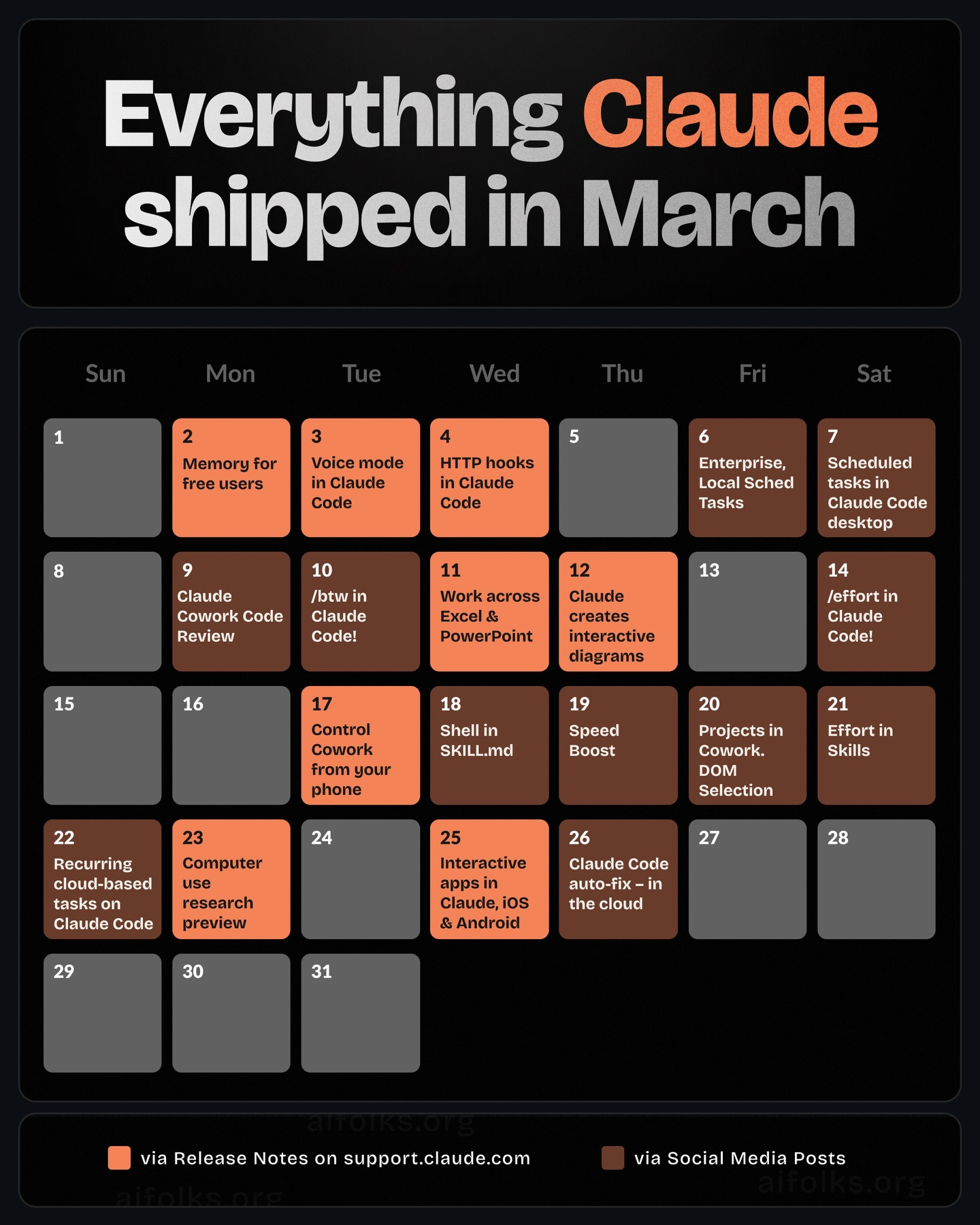
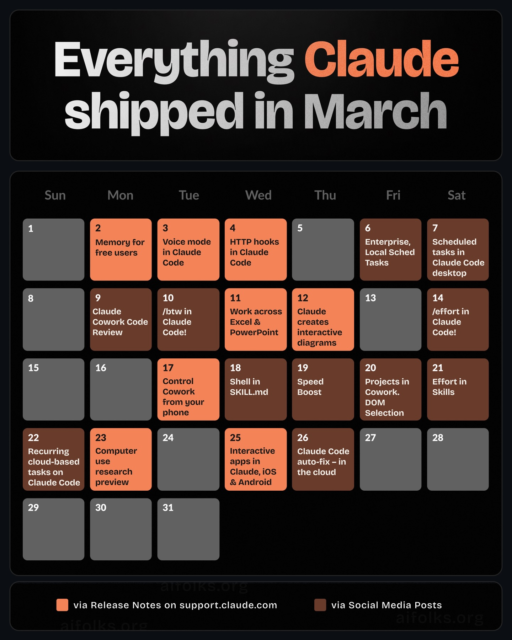
These moves are not random. They are a systematic plan to reshape the traditional software industry. We can see its strategy in three main steps:
First, Claude Code.
It did not copy the simple code auto-completion like Cursor. Claude Code is a professional AI Agent. It gives up the common graphic interface and uses a pure command line style. Users only need to tell it their needs, without touching the code directly. It can make plans, write code, run tests and fix bugs by itself. It turns AI from a simple tool into a work partner, changing the whole way of AI coding works.
Second, Managed Agents.
The release of Managed Agents greatly impacted many AI startups. Many small AI companies make money by combining different AI functions into workflow services. Anthropic’s Managed Agents cut off their business directly, letting users skip these middle service providers and save extra costs.
Third, the newly launched Claude Design.
It steps into AI-assisted design, opening up a brand new market. It directly caused a sharp drop in the stock price of Figma, the leading design software company.