

【AI Industry Alert】The AI world is once again turned upside down. OpenAI and Anthropic released new models on the same day. But while everyone was talking about Codex 5.3’s coding speed, the real story was hidden in the authoritative rankings of Arena and Epoch.
This wave of releases is not just a product launch. It is a real battle for the throne.
Just a few days ago, a night raid shook the entire AI world. OpenAI and Anthropic went head to head.
The so-called “strongest on the planet” title is not just empty talk. Who is really the strongest? The answer is now clear.
Today, the two most authoritative ranking platforms, Arena.ai and EpochAI, both crowned Opus 4.6 at the same time.
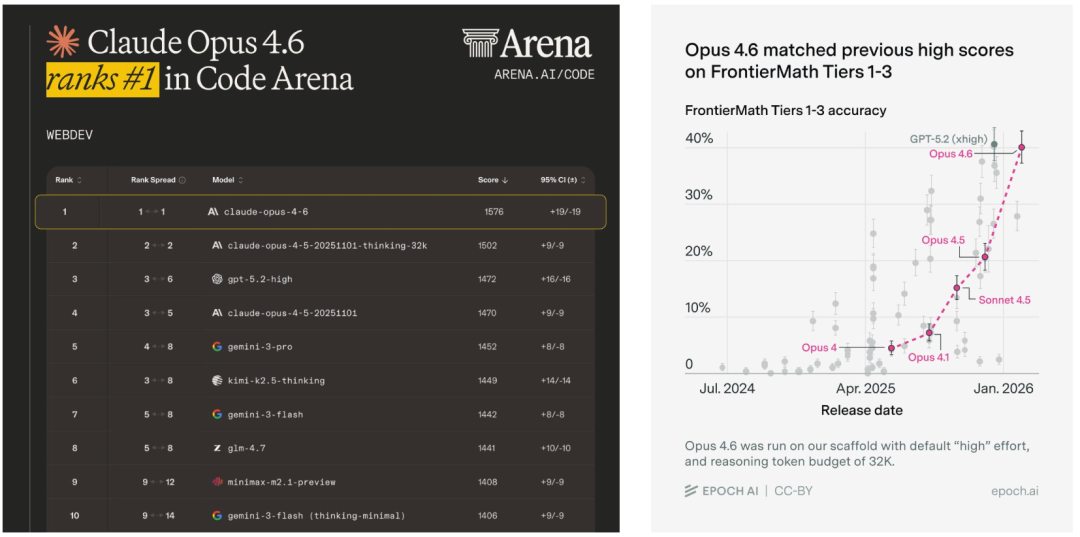
 Arena.ai: Opus 4.6 Dominates All Dimensions
Arena.ai, formerly known as LMArena, is the place where models are ranked from the user’s perspective. It just welcomed a new king.
Claude Opus 4.6 ranked first in all dimensions: Code, Text, Expert, and overall competition.
What does this mean?
It means that in the eyes of real users, Opus 4.6 is the model that makes you say “wow” the most.
It is not just slightly better. It is a crushing victory.
In the coding benchmark, the new Opus 4.6 scored 106 points, far surpassing the previous Opus 4.5 and Sonnet 3.7, with a clear lead.

Claude Opus 4.6 and Claude 3 Opus both reached the top of the text ranking for the first time.
At the same time, it also ranked first in the key coding leaderboard.
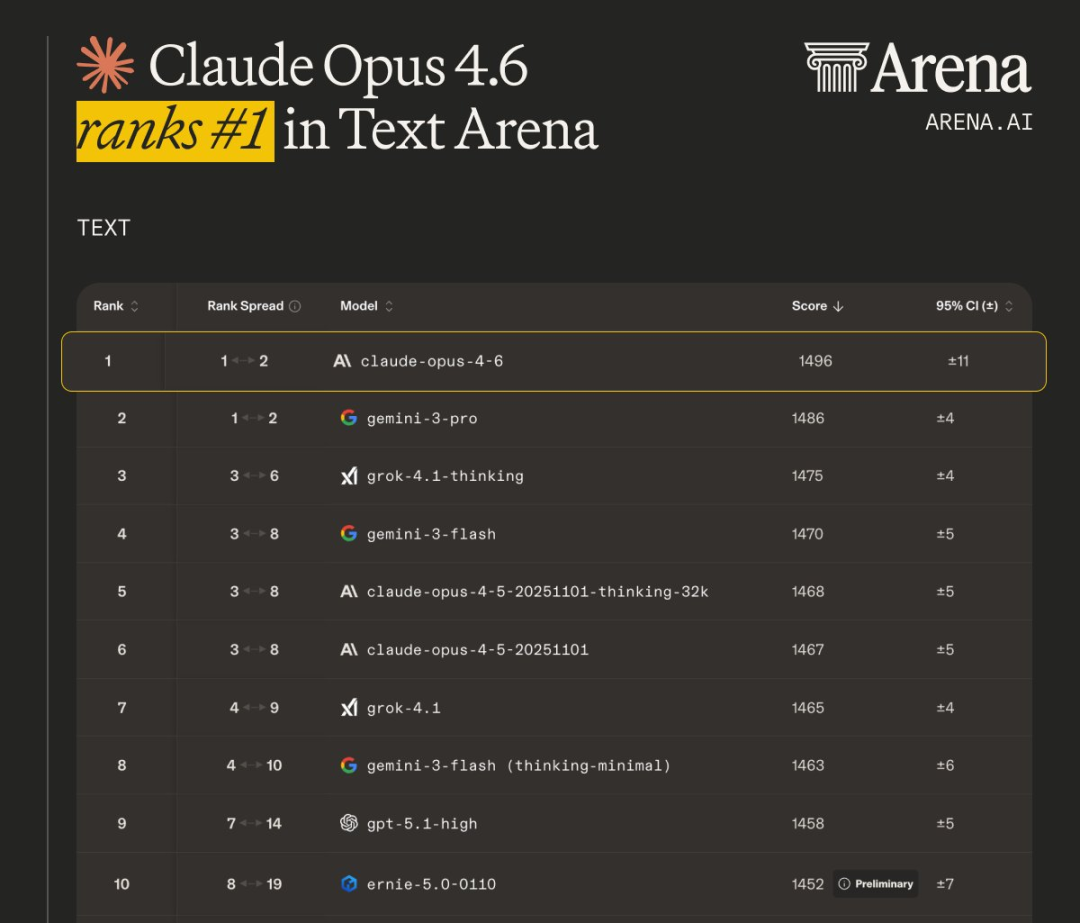
Claude Opus 4.6’s expert ranking also jumped by an amazing 49 points.
The expert ranking includes tasks that ordinary users rarely encounter, such as recognizing rare languages and handling professional requests. This shows the model’s true strength.
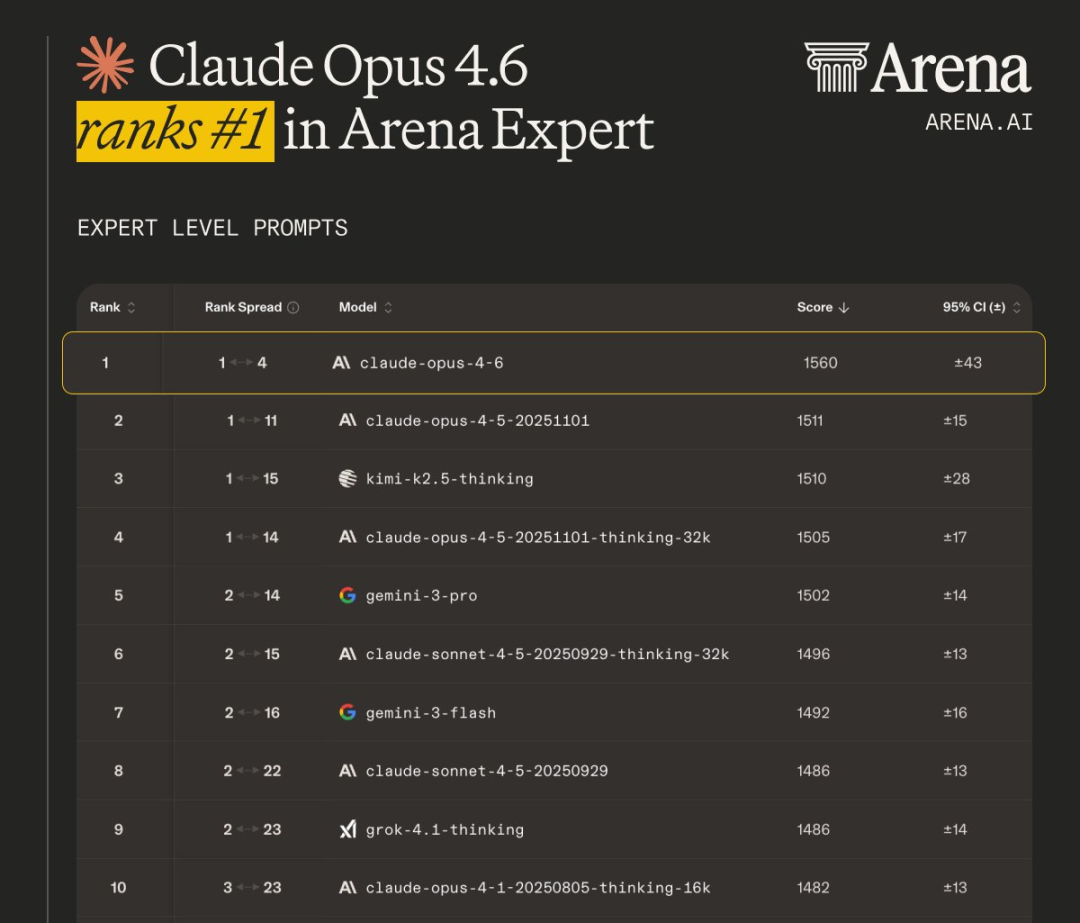
Industry experts said that this is the first time a model has achieved SOTA in multiple dimensions at the same time, which is very rare.
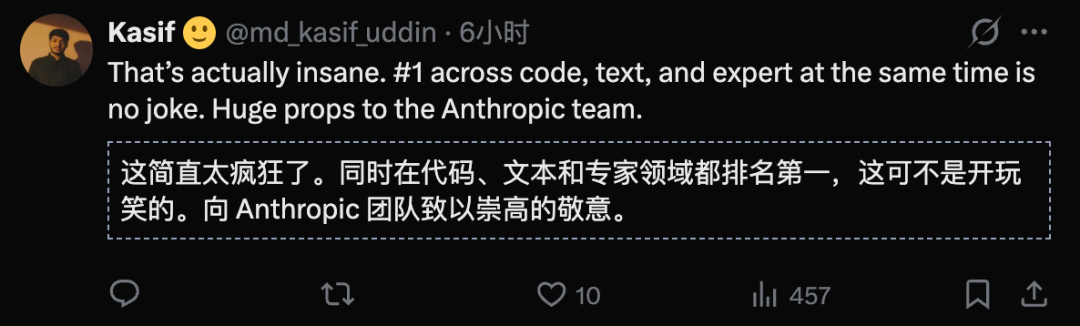
At the same time, Anthropic also stated that Opus 4.6 is currently the most capable model in the world, far ahead of its academic competitors.
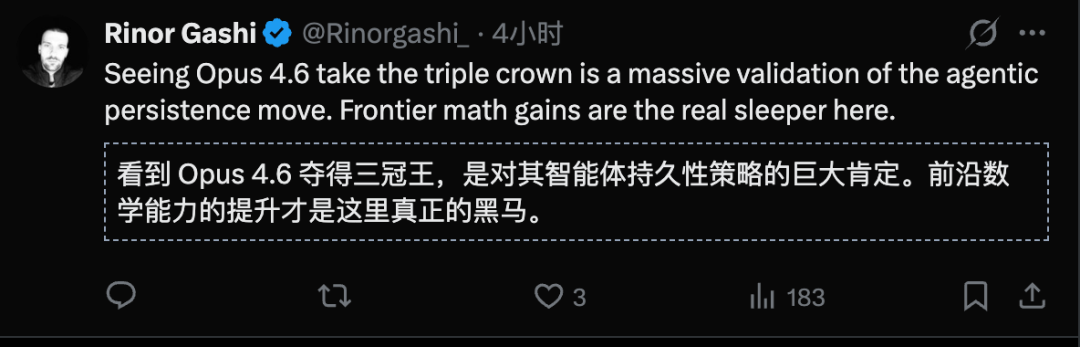
But that is not all. EpochAI also handed over the throne.
 EpochAI: The Math Throne Changes Hands
If Arena is the people’s choice, then EpochAI’s Frontier Math is the “hardest test” for models.
What it tests is not simple addition or multiplication, but unsolved math problems.
Opus 4.6’s results are: Tier 1-3 scored 40%, Tier 4 is more difficult, scoring 21%.
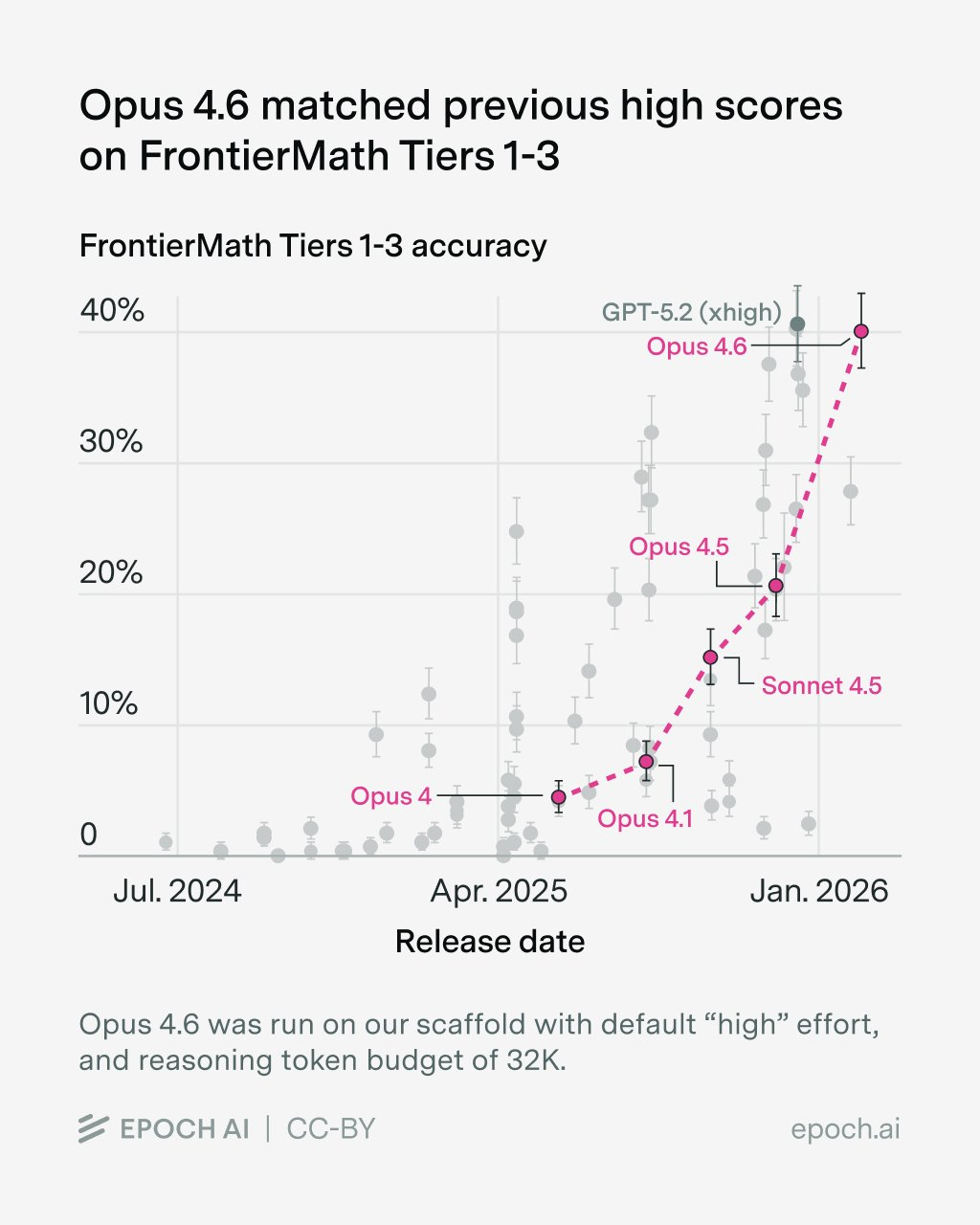
This score is almost on par with the average human level, chasing GPT-5.2 (xhigh).
More importantly, Anthropic’s model ranking is not just based on a simple “average score” on a few easy questions. It is truly at the top.
In the more difficult Tier 4 problems, Opus 4.6 scored 21%, solving 10 out of 48 problems.
This score is on par with GPT-5.2’s xhigh mode at 19%, and far exceeds GPT-5.2’s Pro mode at 31%.
These are the places where AI models are most easily exposed. But this time, Opus 4.6’s math ability is truly impressive.
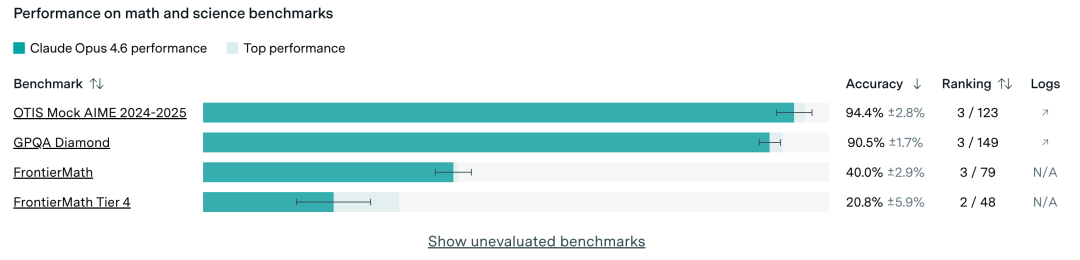
Opus 4.6’s model report has a very interesting detail about its ranking:
 cumshot generator
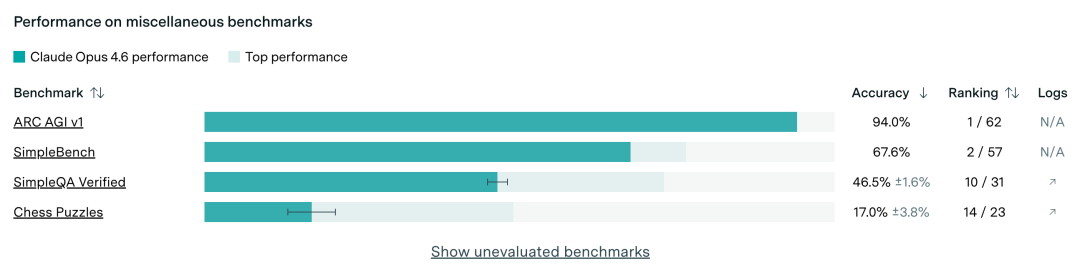
In comprehensive math ability tests:
 clothes remover ai
Claude Opus 4.6’s advanced reasoning, ARC AGI, and difficult math FrontierMath, AIME, and other benchmarks all reached human-level performance.
Although it is not the first in some specific sub-tasks (such as math Q&A), its comprehensive ECI score of 153 makes it one of the top models today.
Real World Battle: Speed vs Depth
Although the authoritative rankings crowned Opus 4.6, the real world battle is also very fierce, and it seems to favor GPT-5.3-Codex.
GPT-5.3-Codex is a heavyweight client that has been brewing for more than ten years.
Developer Banteg, a battle-hardened veteran, spent 14 days resurrecting the 2003 classic game Crimsonland.
Another developer Karel used Codex to build a file system, spending $10,000 in API fees, automatically scanning Slack records, and automatically submitting code every 700 seconds.
These are all real cases of developers using GPT-5.3-Codex.

First Battle: 14 Days to Resurrect Crimsonland
At the beginning of the story, Banteg’s team had a faraway “impossible task” that no one had been able to complete.
In 2026, when everyone thought that strong AI could handle any task, Banteg proved that some challenges still require real skill.
Banteg chose to resurrect the 2003 classic shooting game Crimsonland.

This game is a childhood memory for many people born in the 80s and 90s, with a very deep bottom layer and complex game mechanics.
According to traditional development methods, it would take a large team several months to complete, and those remote memory logic codes would take years to recover.
But Banteg used Codex for 14 days, and the gun battle game was fully resurrected on all platforms.
What needs special attention is that the game’s source code is in the .jaz format, a nearly 20-year-old private protocol, with almost no documentation.
In other words, even human experts would take years. But Codex-5.3 relied on its powerful reverse engineering ability to figure out the file structure and image format.
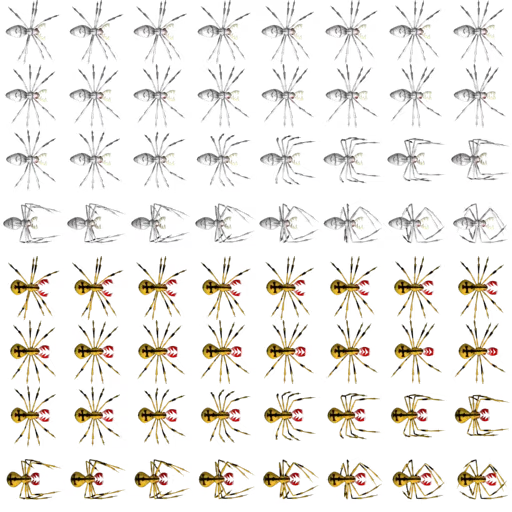
The Jaz format is a JPG-like image with custom length, missing alpha channel, and then compressed with zlib. The final image is decompressed.
Then there is a modern C++/Rust rendering interface, bringing the 2003 source code to the 2026 4K screen at 60 frames per second.
This is a childhood memory that has been fully restored after 23 years. Banteg shared the complete code on X.
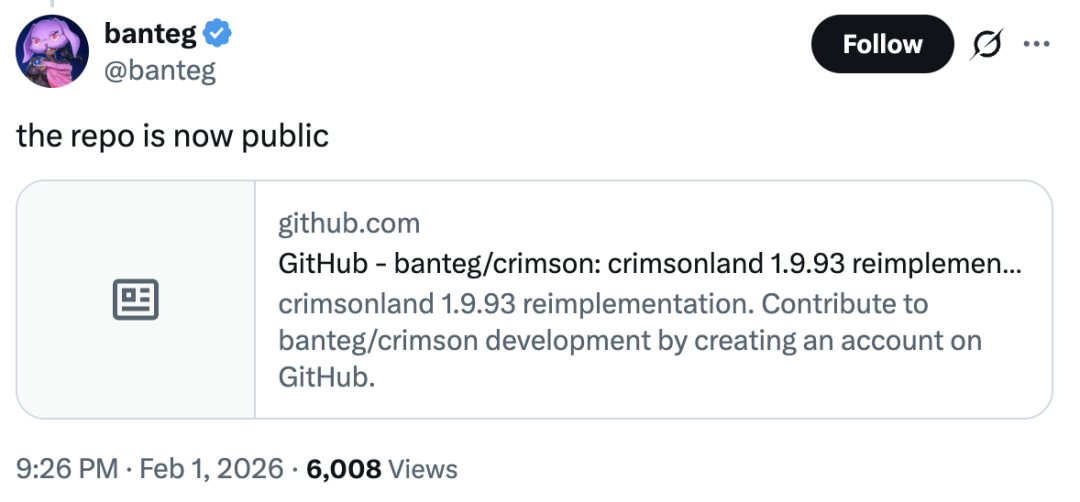
GitHub open source address: https://github.com/banteg/crimson
Even former company employees and open source contributors could not complete this task.
But now, the model directly completed these challenges that humans could not solve, and even gave a completely new “note” to the resurrection project.

Second Battle: Codex’s Real World Investment Game
In the second story about Karel, Codex played an investment game.

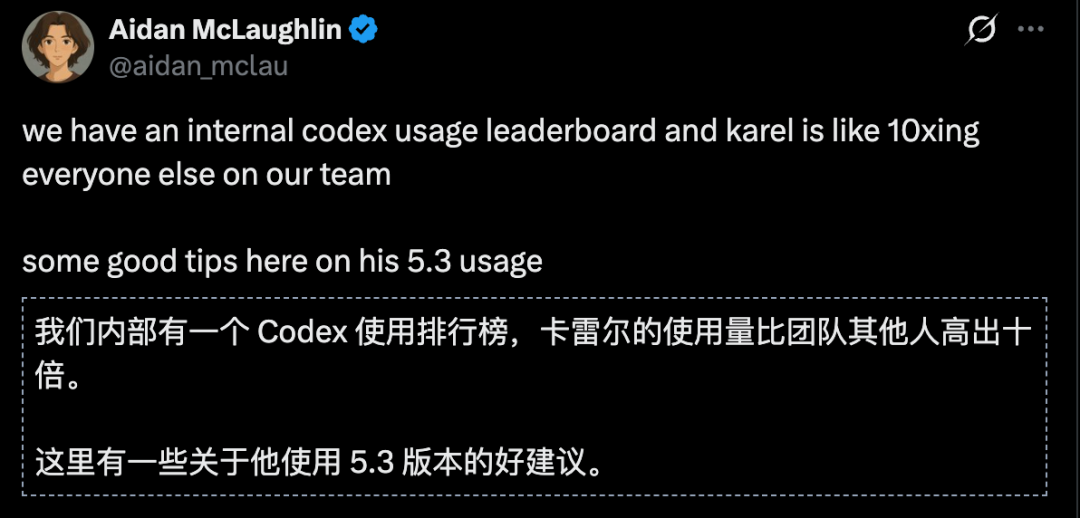
OpenAI researcher Aidan said that Karel’s personal Codex usage time has exceeded ten thousand hours.
This view is very important.
Karel’s investment is $10,000.
This is a very traditional but extremely effective “knowledge loop” method.
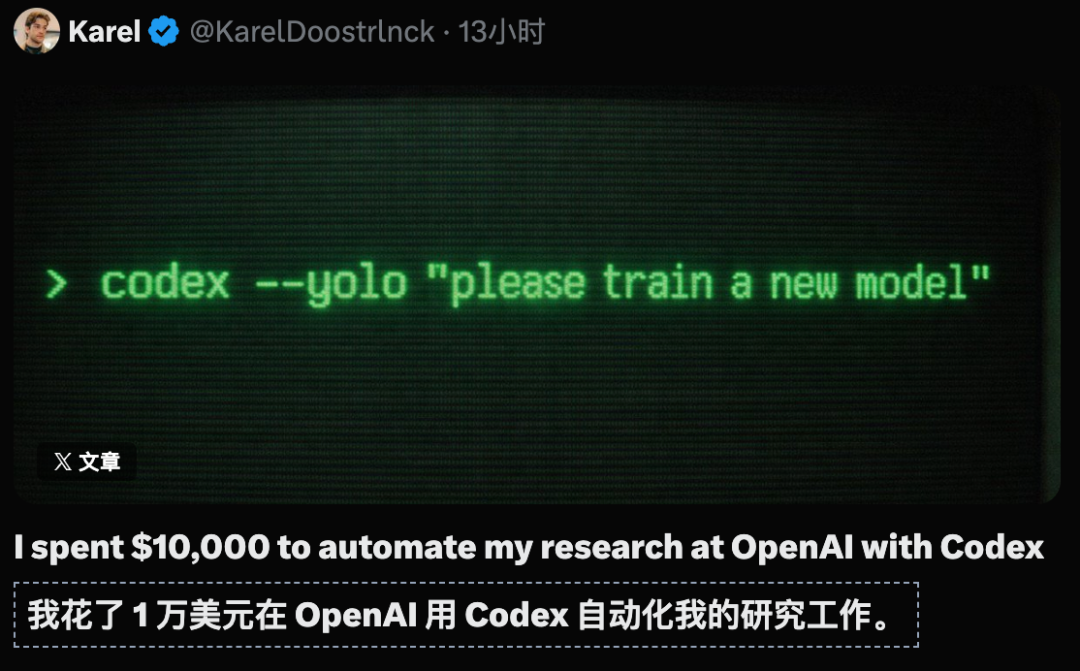
The core breakthrough is that Codex completely changed the way code is recorded and optimized.
Codex will put all notes and code submissions into a monorepo’s various files.
These notes are not ordinary documents, but conversations that happen in the background. Through these conversations, Codex’s coding speed and accuracy are improved.
Karel regards Codex as a very hardworking “virtual team member” and “junior employee.”
Among them, the key is the “auto Helper commit” mechanism.
When AI executes tasks, each Git commit (HelperCommits) records the AI’s preparation state for each step.
When a model encounters a problem for the first time, it scans these high-density “HelperCommits” and directly saves 80% of the trial and error path.
This is the same as the “knowledge loop” method in traditional mathematics.
Karel also let the agent scan the company’s internal Slack records and various documents.
Within a few hours, the AI actually found 700 files with research value, and automatically generated a complete historical timeline.
The $10,000 API fee was well spent.
He also used GPT-5.3-codex to create multiple parallel tasks, scanning Slack records, research reports, and writing database science documents.

Karel is just a product manager. But through human-AI collaboration, the agent swarm helped him complete research work that would normally require a large team.
Claude Opus 4.6: The Real “Thinking” Model
So is Codex fast, and Opus 4.6 deep? The answer is yes.
In the actual test of writing an HTML5 game, Opus 4.6 showed amazing “thinking” ability. The code it wrote had zero bugs, and the interface design and color matching directly reached the level of a professional UI designer.
In terms of advanced reasoning, it is even better. It uses 60% fewer tokens, but the thinking depth far exceeds the current level. It has a new feature called Stirrup, which has stronger “logical self-correction” ability. It can check its own reasoning process, find errors, and correct them.
Stirrup Feature: AI’s Self-Correction
After Opus 4.6, many models have been compressed, but Opus 4.6’s Stirrup feature has been fully retained.
In simple terms, AI has real Shell permissions and highly customized E2B sandboxes.
This feature allows the model to automatically check whether the current task needs to stop and perform logical self-correction through a 5-step workflow when executing code.
It can “see” its own code as a video, automatically detect logical errors, and then give the correct solution. This method is completely different from traditional prompt engineering.
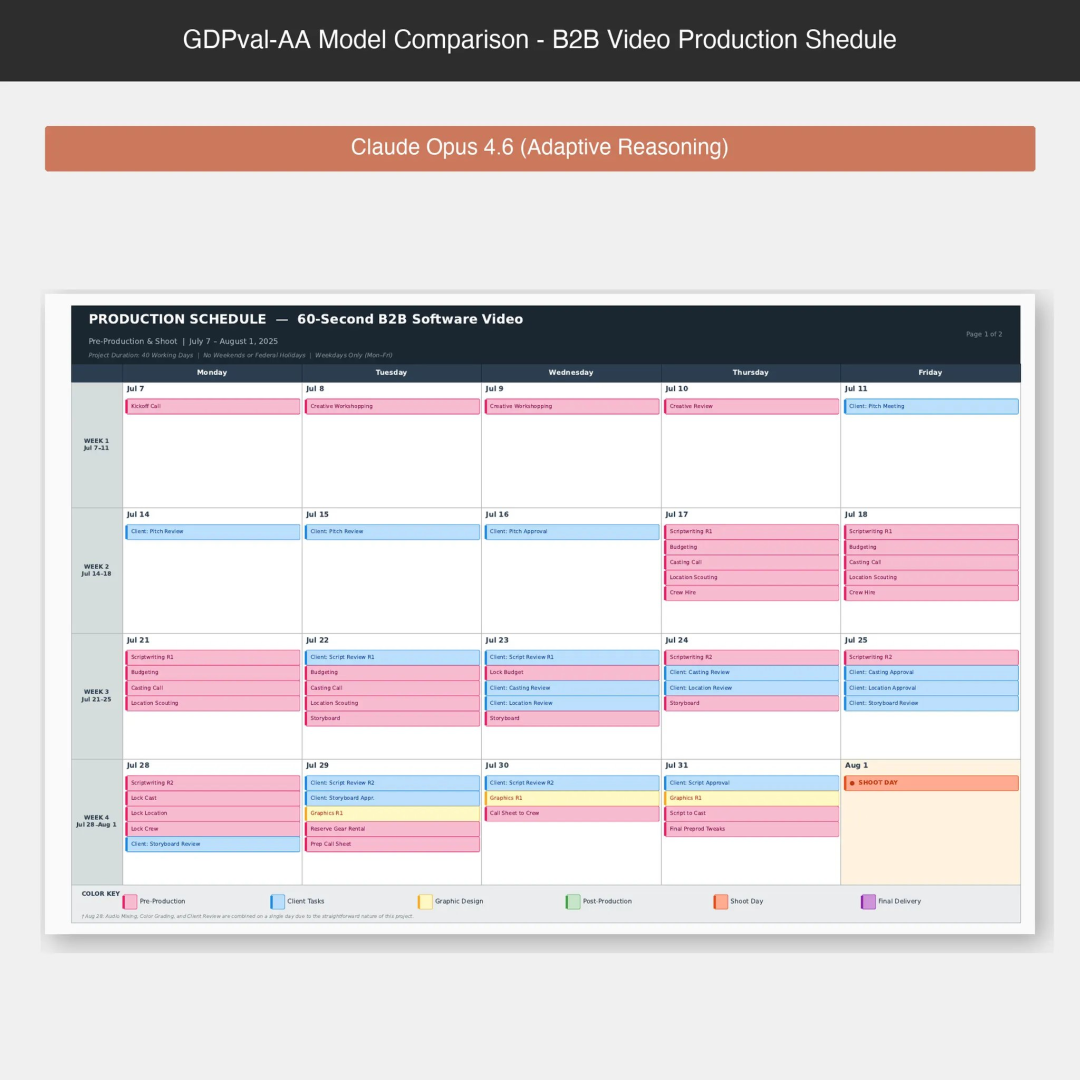
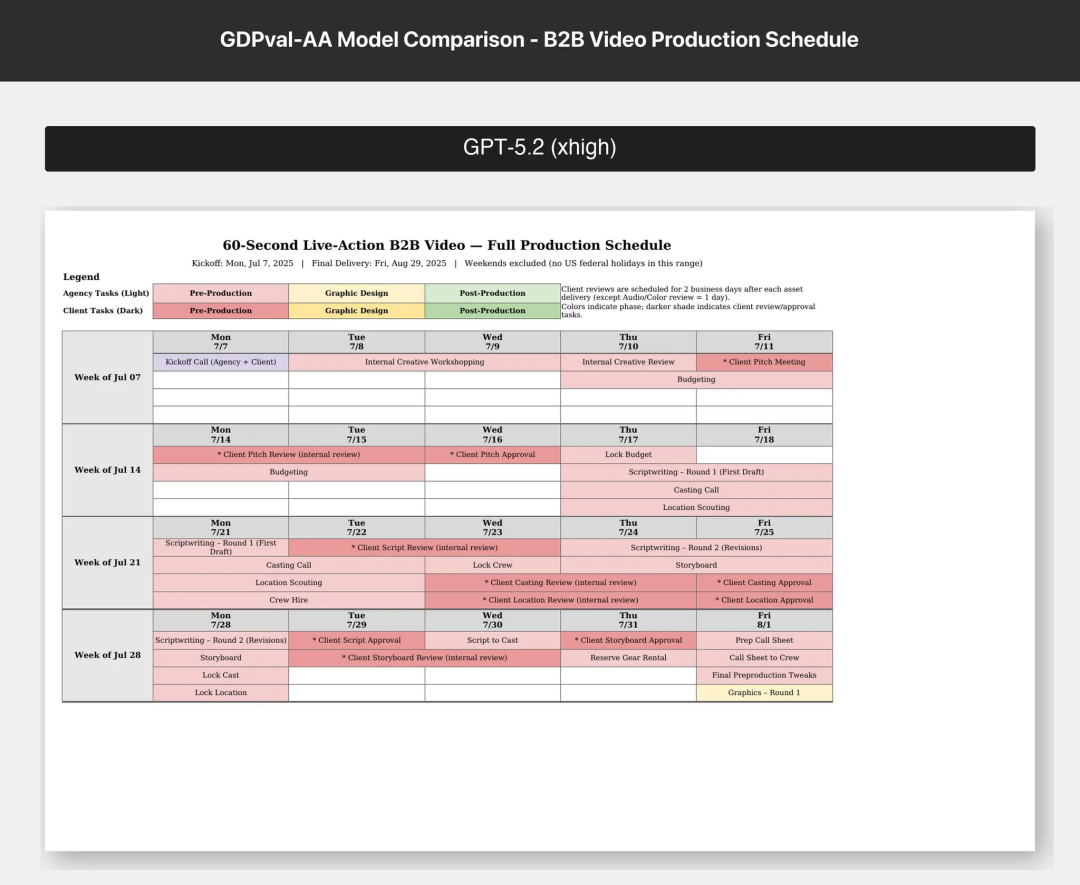
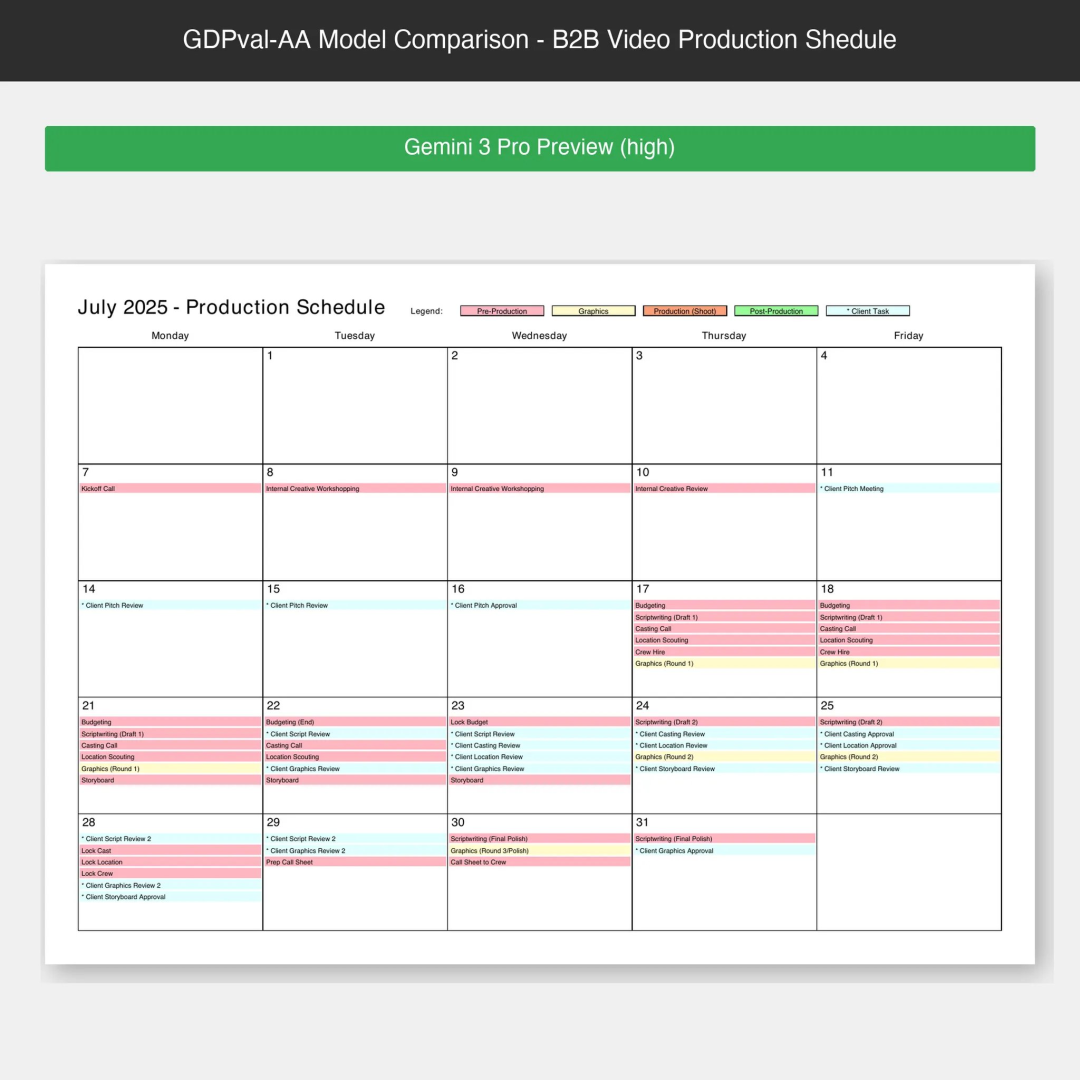
Results generated by the same data and different models
Prompt engineering is becoming a thing of the past.

Advanced Reasoning: 60% Less Money, Deeper Thinking
Many people were surprised when they first saw the data: Opus 4.6 uses about 60% fewer tokens than the same task.
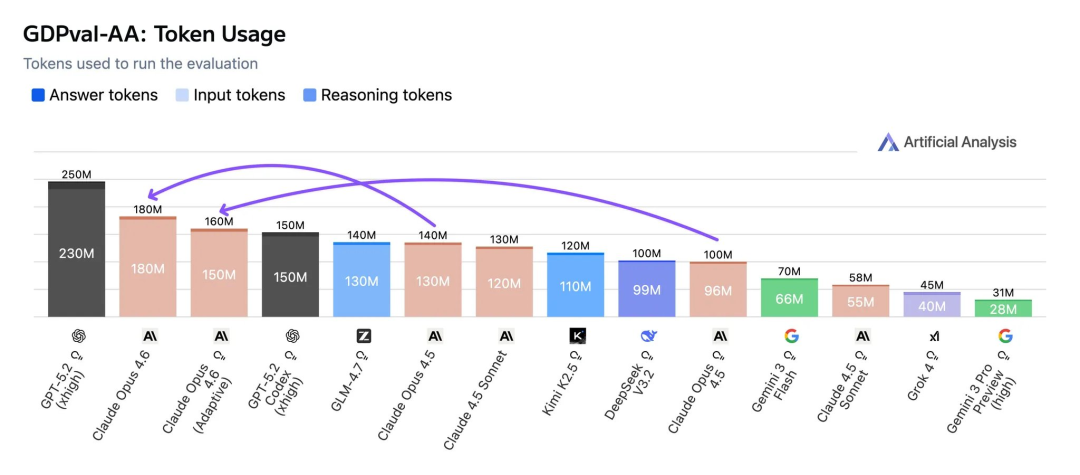
This is not because the task is simpler, but because of logical self-correction.
Opus 4.6 runs a thinking loop in the background, checking its own reasoning process. It finds errors and corrects them through internal token consumption, ultimately obtaining the correct logical conclusion.
 How to Choose
Is there a winner in this real world battle? Strictly speaking, no. Because the two models serve different companies, like a puzzle.
If you want speed, choose Codex 5.3. If you want depth, choose Opus 4.6.
But if you have to choose one, it completely depends on whether your project needs Codex to rebuild the engine, or Opus to think deeply and interact.
The era of model capabilities has truly arrived. The ceiling has been broken, and the floor is rising.
The real question is no longer which model is stronger, but only which one is more suitable for you.