A young Chinese genius built an AI dating app that is now spreading across all top ten universities in America. It has already matched 5,000 Stanford students and turned 1,500 of them into real couples. The app is called Date Drop.
Stanford has 5,000 students addicted to this AI matchmaker. Here is how it works.
Nobody expected that a dating app built by college students would take over campuses so fast.
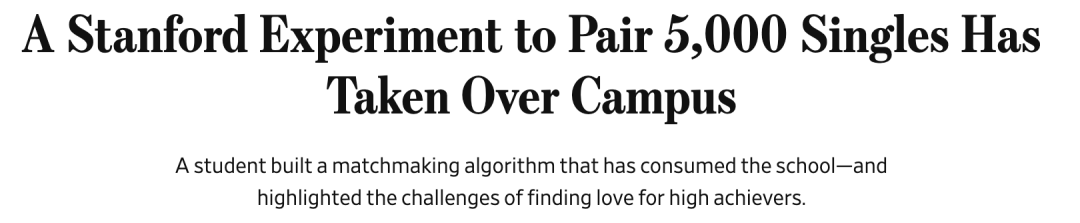
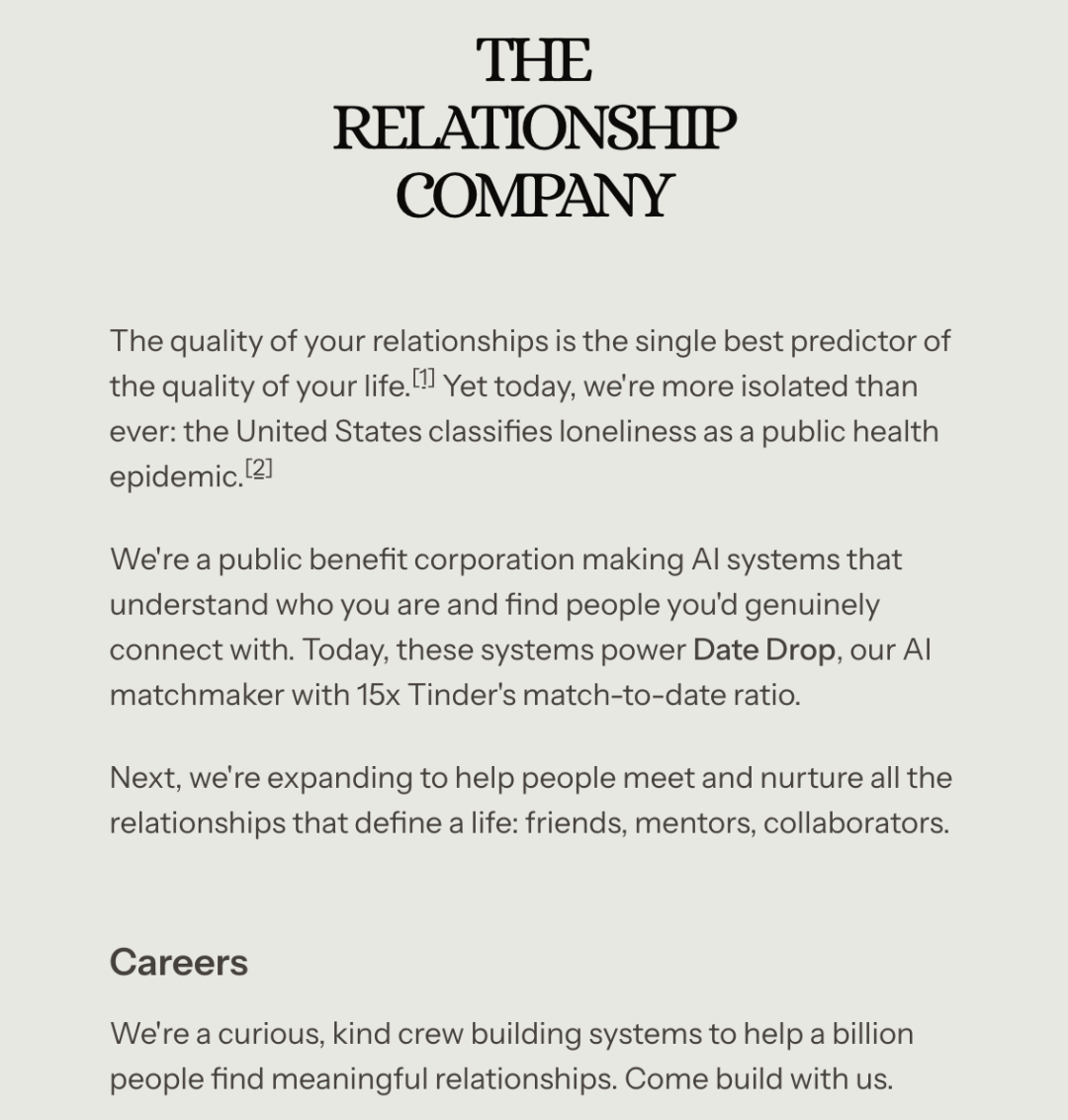
In September last year, Stanford students Henry Weng and Madhav Prakash launched a project they called the Relationship Company.
With a team focused on matching logic, they quietly built something special on campus.
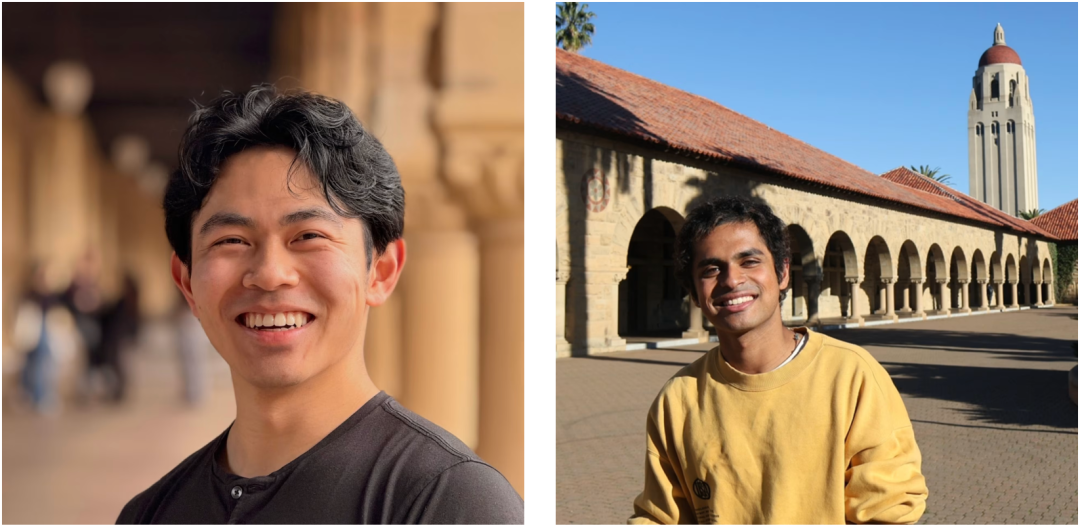
Ben Rosenfeld, a Stanford resident, said it directly. When he first heard about Date Drop, he thought it was magic.
Statistics show that Date Drop has a success rate for real dates that is more than 10 times higher than Tinder.
Because of this, Henry Weng registered a company called The Relationship Company. He then raised 2.1 million dollars from top investors.
Behind this company is a young Chinese genius who won on his first try.
 AI Dating App Gets 5,000 Stanford Students Hooked
Henry says Date Drop was built to solve a real problem for college students.
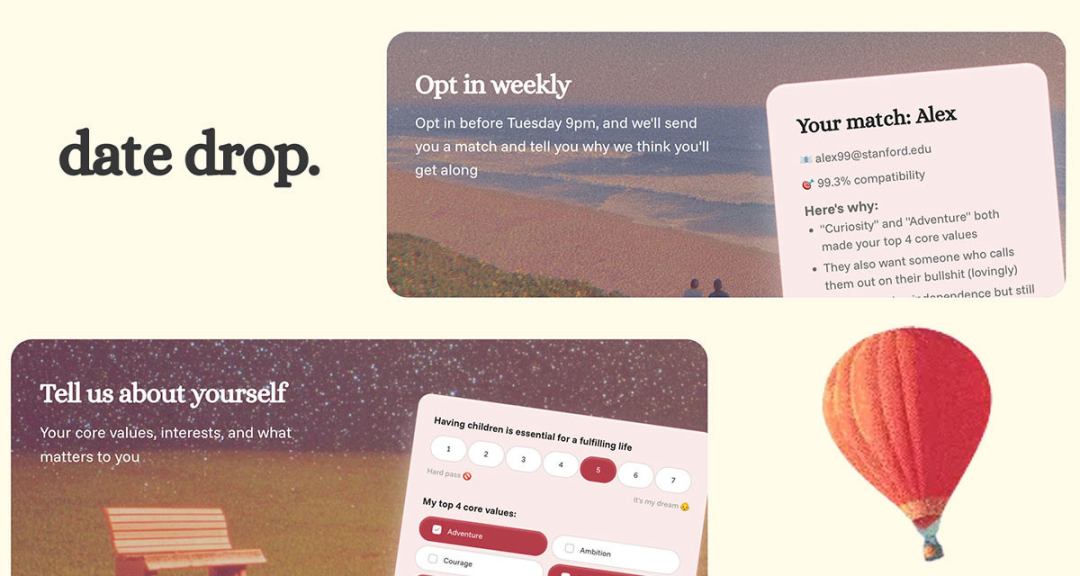
On most dating apps, matching is random. Every week you get one random person sent to you. This is not blind dating. Date Drop uses a smart matching model based on a detailed compatibility quiz.
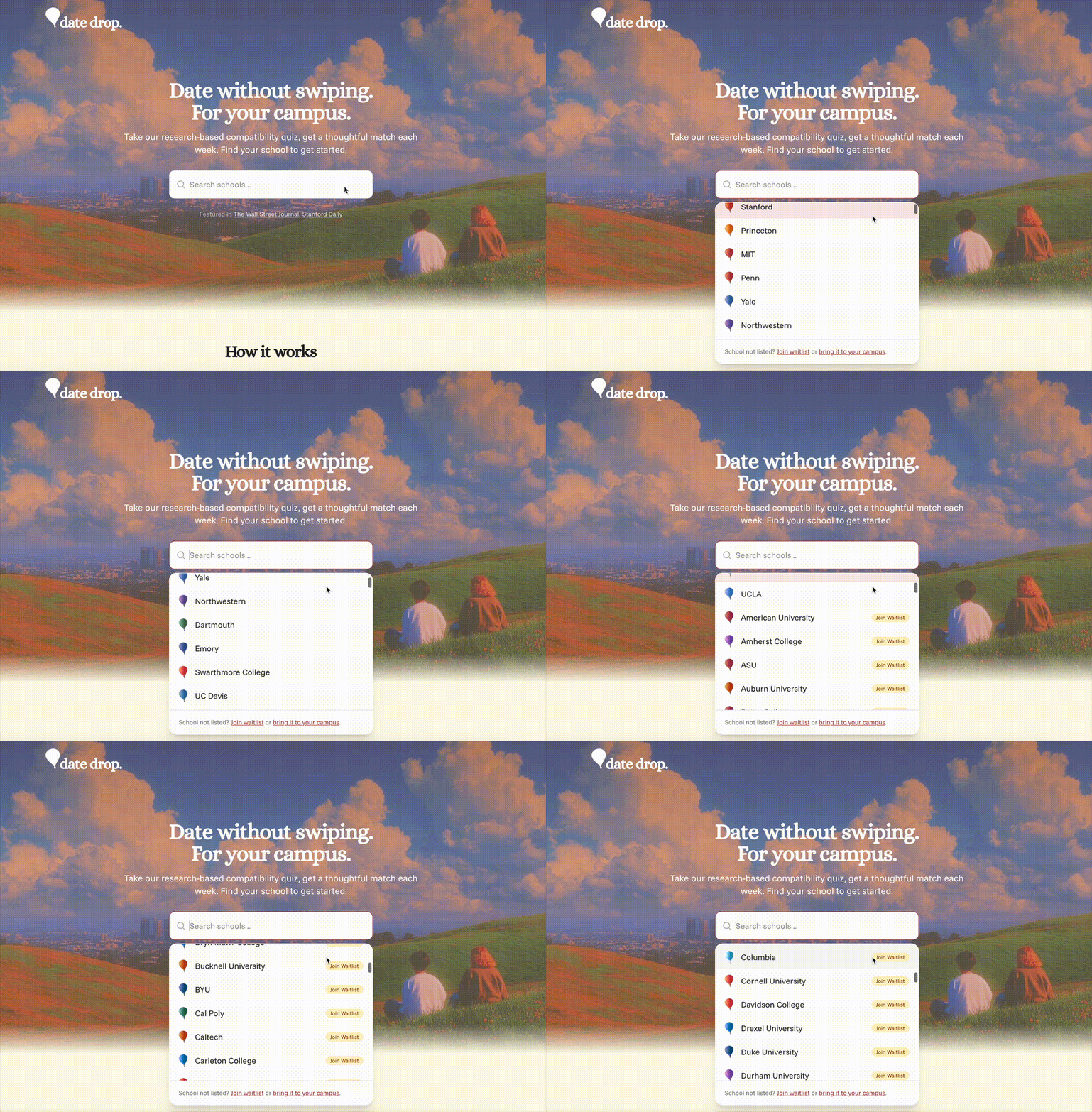
Official website: https://trydatedrop.com/
Right now Date Drop is active at ten top schools. These include Stanford, MIT, University of Chicago, Yale, and UCLA.
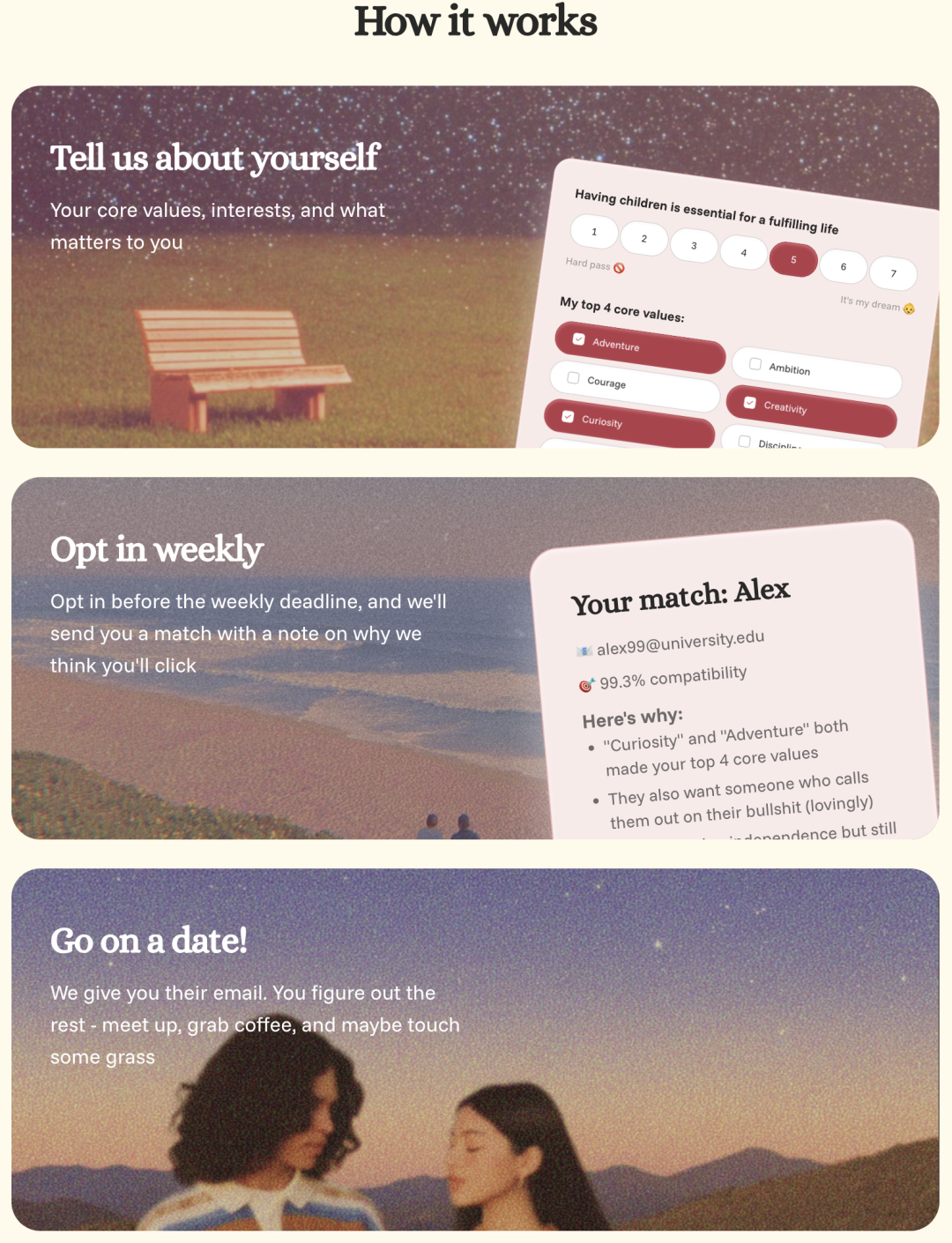
The way the platform works is simple and fun. Here is how a typical date goes:
When the weekend comes, you open the app and see your match. You check their profile, compare scores, and then go out together.
After the match is made, the platform offers a Play Cupid mode. Students can send their single friends to the app and try to match them up as a couple.
There is also a Shoot Your Shot mode. Both people write short messages to each other. If the system thinks they are a good fit, it sends the match through.
At Stanford alone, 20 couples have already gotten engaged after meeting on Date Drop. Some even got married.

66 Questions That Find Your Perfect Match Every Week
Unlike Tinder or Hinge where you just swipe left or right, Date Drop goes straight to matching quality. It saves users a lot of time.
When you first sign up, you answer a 66 question quiz. The questions cover values, lifestyle, and dating preferences.
Here are some examples:
Do you want kids? What is your biggest pet peeve?
Do you enjoy going out or staying in? Is that a deal breaker?
How active are you on social media? Is that a deal breaker?
What is something you really like about yourself? What is something you really hate?
What are your top values? Choose from adventure, ambition, creativity, family, and more.
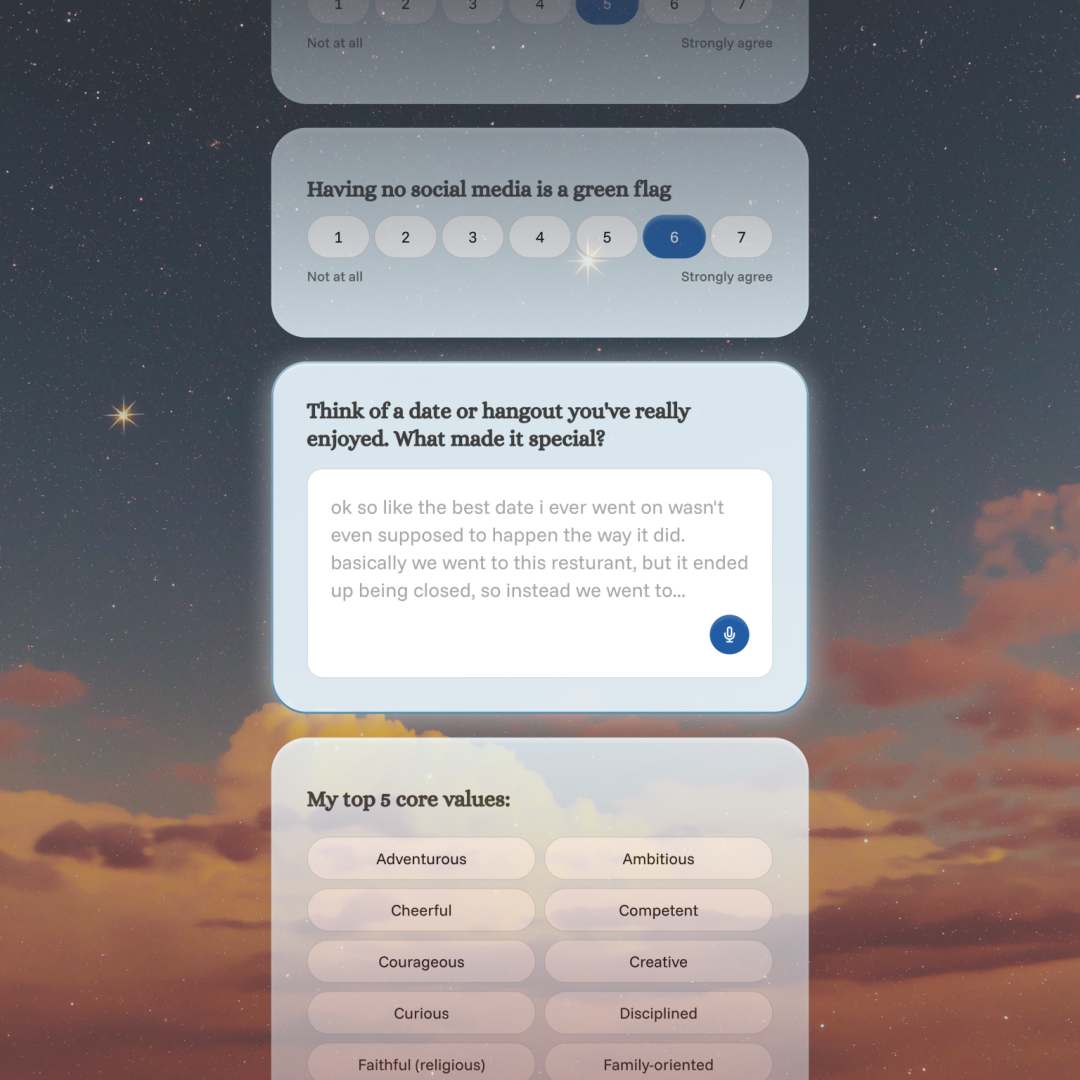
These answers go into the algorithm. They help match students who are truly compatible.
At the same time, the algorithm also looks at social data. It checks how students behave on campus and who they actually hang out with. This makes the matching even better.
The key is this. Matches are sent out at 9 PM every Thursday.

From Thursday night to Friday, the app goes quiet.
Students look at their match profiles and photos. They use the algorithm to choose their top pick. Then they wait.
Some students even go to a dating hotspot on campus called On Call Cafe. They just sit there with their Date Drop match and have a coffee together.
best free ai porn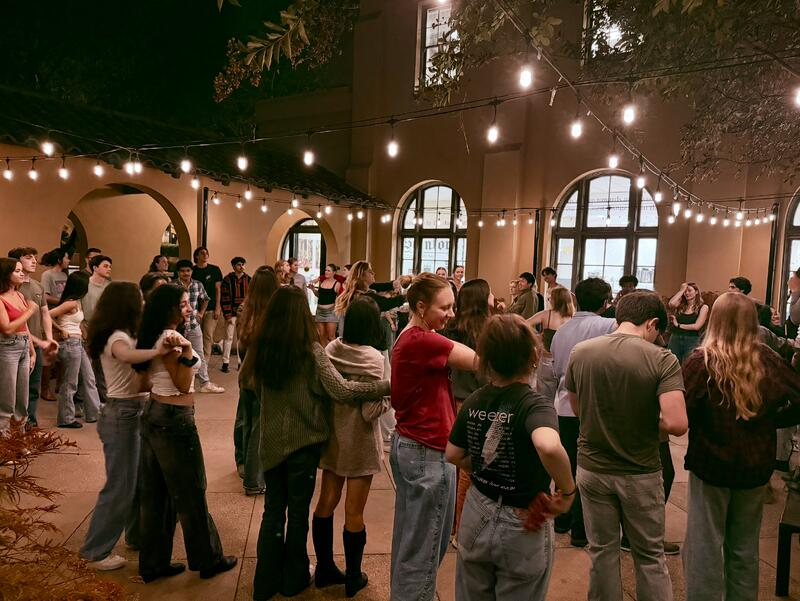
In the last school year, about 7,000 Stanford students joined. Over 5,000 of them became active Date Drop users.
Across all platforms, the app has successfully matched 2.1 million dollars worth of dates. About 1,500 of those turned into real couples.
 ai porn genThe Genius Behind the AI Matchmaker
Date Drop is spreading across all top schools. The logic behind it is actually very simple.
Imagine each student has their own social circle.
In reality, before Date Drop, social life at top schools was limited. People were stuck in their own small groups. They had no easy way to meet new people outside their bubble.
Stanford student Henry Weng saw this problem clearly. He noticed that students were struggling to make new social connections.
ai pussy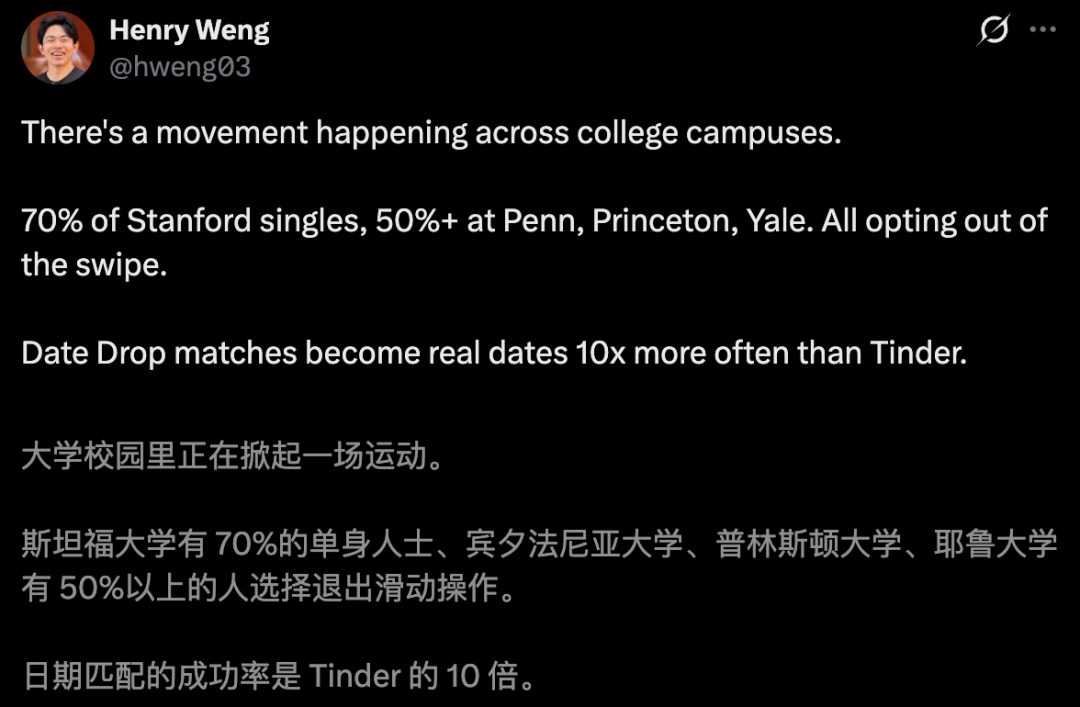
Henry realized that students had no time, no modern dating skills, and no AI dating platform built just for them.
So he built one. He called it the Relationship Company.

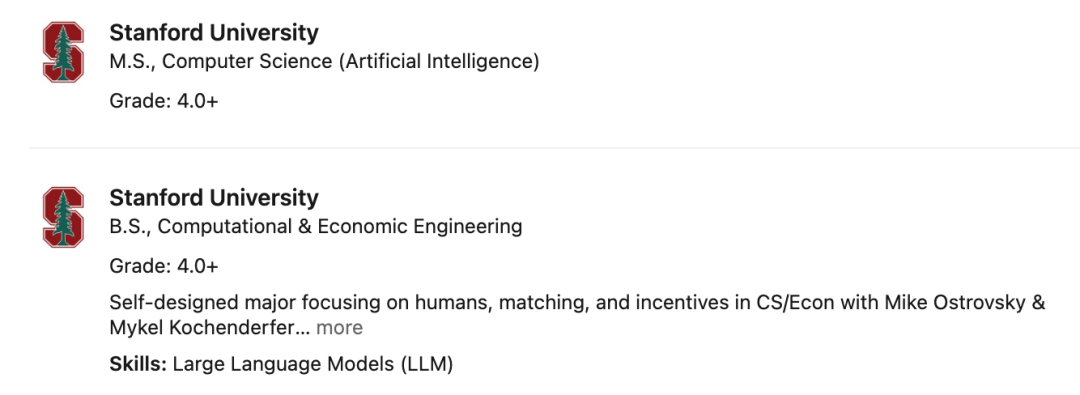
Henry studied economics and management science at Stanford. He got his bachelor degree there. His main research interest was using economics and game theory to build better matching algorithms.
Madhav, his co-founder, studied computer science at the same school.
Henry also has rich work experience.
He was an early engineer at LangChain, the famous AI tool company. He also co-founded Hazel, a PearX W23 startup that builds AI tools for real estate.
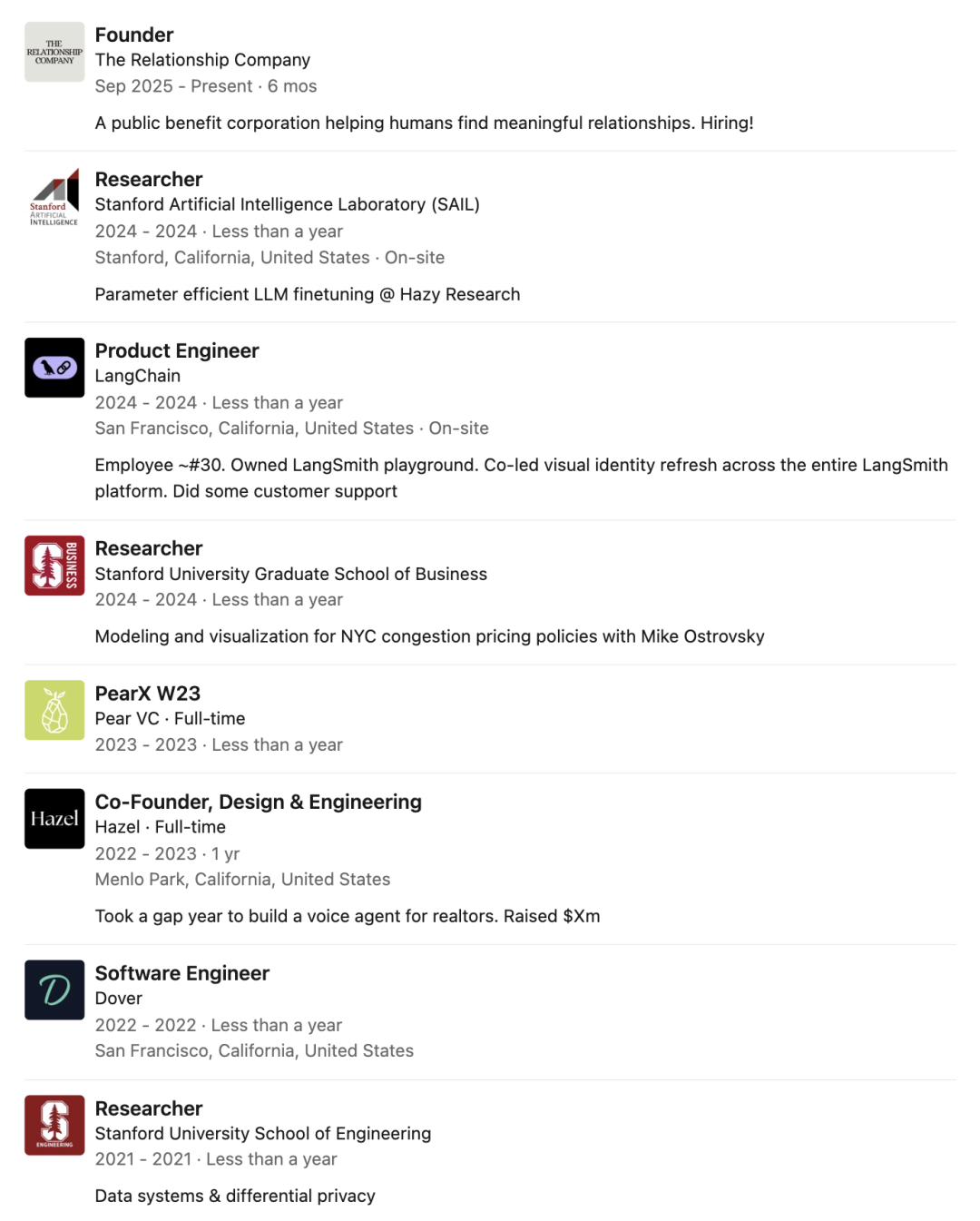
Last year, after Date Drop went viral, Henry Weng officially started The Relationship Company.
The goal was simple. Help people at top schools find the people they actually need.

Building for Ten People First
In an interview, Henry said he never thought campus dating would need a company. He thought it was just a small thing.
But investors saw the potential. They said The Relationship Company was different. It was not just another dating app.
Users are willing to pay for the service. They pay for premium features like seeing who liked them, age filters, job filters, and event access.
At first, to help with growth, Henry also built a dating advice section on Date Drop.
Madhav Abraham-Prakash, co-founder, is a Stanford student who studied social connections. He wanted to build a platform just for campus life.
He was confident. He said top schools needed a campus dating platform.
At the same time, the project also attracted some big name angel investors. These include Mark Pincus, founder of Zynga and early Facebook investor.
Other investors include Andy Chen, former partner at Coatue, and Elad Gil, early investor in Airbnb, Stripe, and Pinterest.
In the same week the app launched, a Date Drop model update went viral on social media. 95% of users said the new matches felt much more like real conversations.

Henry Weng said the most important thing is to make the matches useful.
First, the questions must be deep enough. If you only ask surface level stuff, you cannot really know a person.
Second, the answers must be structured. Multiple choice, open answers, and user data all work together.
The biggest challenge is accuracy. Predicting people.
Because Date Drop is not just matching. It is also planning dates. The team studies which matches actually work in real life.
In other words, the model is trained on real date data. Not just online chat.
One thing is certain. In the real world, only matches that lead to real dates count. Everything else is just talk.
So far, The Relationship Company has Henry plus 2 full time employees and 12 campus student ambassadors.
Date Drop knows that users care about principles. So every match comes with an automatic explanation.
Users can see why they were matched. This makes people trust the system more.
Henry Weng calls this the algorithm matchmaker.
 First Date Success Stories From Real Users
On January 19, Stanford student Mila Wagner-Sanchez tried Date Drop for the first time. She was surprised by how detailed the experience was.

She did not find her soulmate yet. But she mentioned the project score.
As someone who never used a dating app before, Mila was amazed by how detailed Date Drop was.
Her first match loved the color orange. The system actually matched her with her best friend. They became a couple.
Another student said he was just a normal guy on campus. He went to the gym and grabbed coffee. Date Drop matched him with someone who also loved those things.
They had nothing in common at first. But they started talking.
He admitted that he did meet someone special through Date Drop. They are dating now.

Stanford student Alena Zhang said something interesting.
She said many people at Stanford have put their guard down when it comes to social life. They deleted their dating apps. They thought they would just meet someone naturally at the library or dining hall.
But most of the time, they just end up talking to the same people over and over. Nothing new happens.
Another student, Pierre Du Plessis, said that for someone who does not date much on campus, Date Drop is very useful.
He also found that Date Drop has not yet fully solved the problem of where to go on a date at Stanford. That is still a challenge.
Stanford student Gabriel Berger went on his first Date Drop match. They had a great time. They talked for hours.
But then they found a problem. Their schedules were completely different. One had to rush to a lab. The other had a brother visiting from out of town.
They needed to find a time that worked for both. Berger had to skip a small class. His brother had to change dinner plans.
On the other side of the country, Date Drop is also changing campus social life.
At its core, the algorithm is winning because it gives people something they really want. A real chance to meet someone new.
In this 66 question dating quiz, AI is acting as a matchmaker. It helps people find social connections they would never have made on their own.
The algorithm knows what is left in your life. It knows what you need.