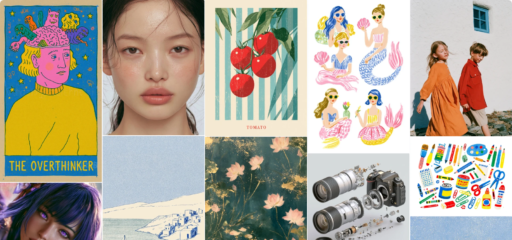

On May 1st, Midjourney officially announced the V8.1 update, showcasing side-by-side quality comparisons—top row before the update, bottom row after.
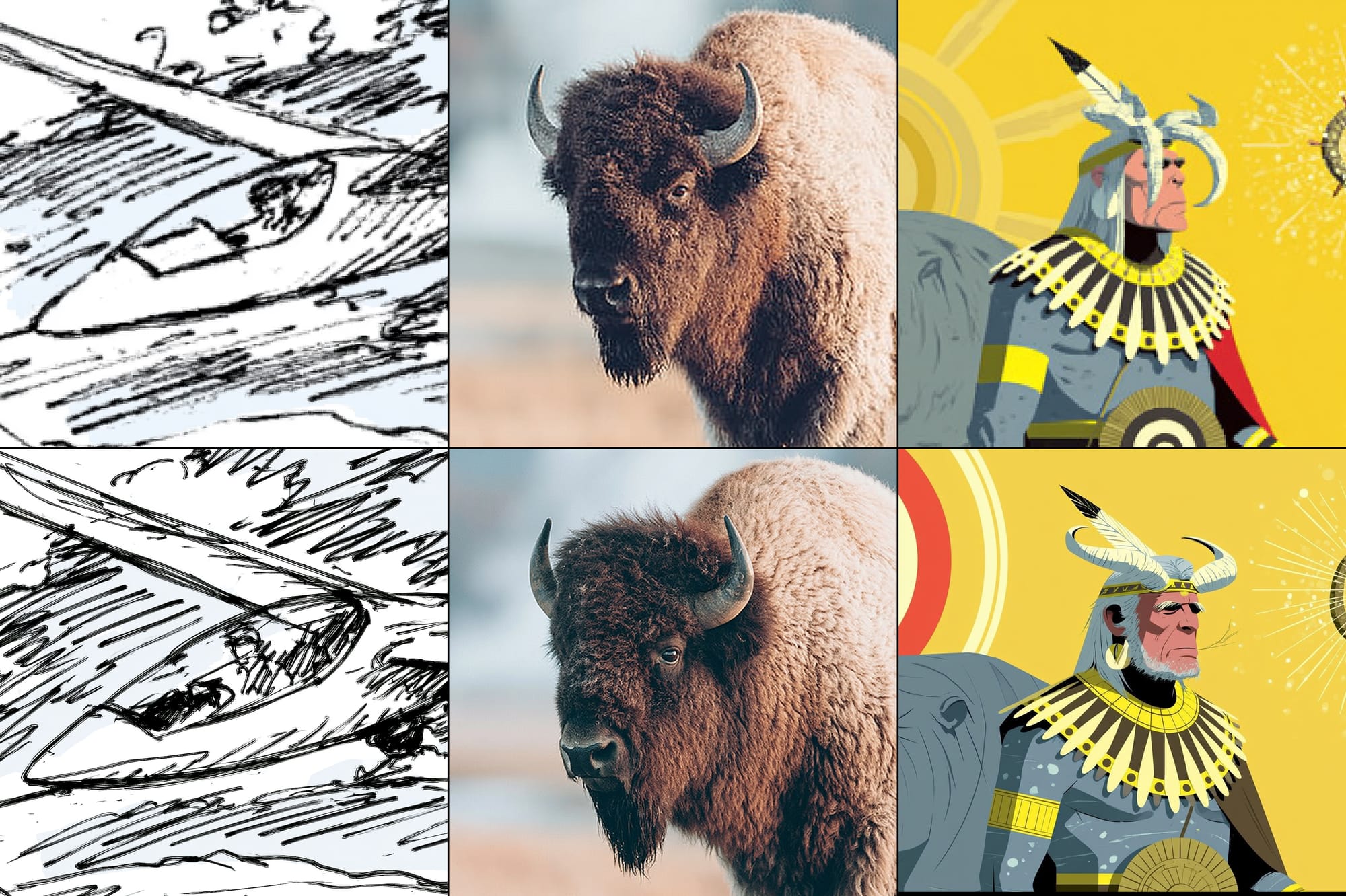
On May 1st, the official Midjourney account posted a seemingly ordinary tweet: “V8.1 improves quality and sharpness. SREF and Moodboard are more stable. Now available on Discord.” The post got 397 likes and 38,000 views. In the competitive AI image generation space, these numbers aren’t explosive. But looking back at all Midjourney updates over the past month and a half reveals a bigger story: “What V8.1 really does is make HD mode affordable—and the default option.”
From V8 Alpha to V8.1: 45 Days of Key Changes
- March 17th: V8 Alpha launches. Officially called “an incredible model,” it features 5x faster speed and native 2K rendering. But there was a catch: HD mode, –q 4, SREF, and Moodboard each cost 4x more GPU time. In short, powerful but expensive to use.
- April 14th: V8.1 Alpha releases. The standout announcement: “HD mode is now 3x faster and 3x cheaper. It’s so cheap we’re making it default for V8.1.” Also noted: “V8.1 at full quality is as fast as V7 draft mode.”
- April 30th: V8.1 officially launches on midjourney.com. The update adds further quality and sharpness improvements, plus much better stability for SREF and Moodboard.
- May 1st: V8.1 arrives on Discord. Standard (SD) temporarily reverts to default (to save server computing power during migration), but users can switch back to HD anytime.
What It Means for HD to Be Default
During the V8 Alpha phase, HD mode cost 4x more than Standard. Generating one 2K image used the GPU power of four 1K images. For commercial users needing high-resolution outputs, this sent a clear message: better quality costs extra.
With V8.1, HD mode costs about 1.33 minutes of GPU time, while Standard is under 1 minute. The gap shrinks from 4x to roughly 1.3x. “The price difference is no longer a barrier to choosing HD.”
Midjourney’s strategy is clear: when HD becomes cheap enough that users don’t hesitate, set it as default. Everyone gets HD, and everyone thinks, “V8.1’s quality is amazing.”
This isn’t just a technical upgrade—it’s a smart pricing strategy.
Users perceive “better quality,” but what really changes is: same cost, double the resolution. Once this mindset sticks, competitors will struggle to catch up—because users now see 2K as the new baseline.
Restored Features Matter More Than New Ones
V8.1’s new feature list is short:
- Image Prompts Return: Removed in V8 Alpha, now back with adjustable image weights.
- Prompt Shortener: Automatically trims extra-long prompts for better results.
- Describe Update: Generates longer, more detailed captions matching V8’s prompt style.
- Much More Stable SREF & Moodboard: Fewer errors, more reliable style transfers.
What excites long-time users most are the restored and fixed features.
Image Prompts are one of Midjourney’s key differentiators. Their absence in V8 Alpha showed how rushed the V8 series development was. Bringing them back, plus stabilizing SREF and Moodboard, signals: “V8’s core tools are finally complete.”
This is V8.1’s true role: “The official, polished version of V8.”
User Reactions to V8.1
Reactions on X (Twitter) fall into five clear groups:
- Welcome Back: Many posts say “we are so back”—a sign V8 Alpha disappointed users, and V8.1 won them over.
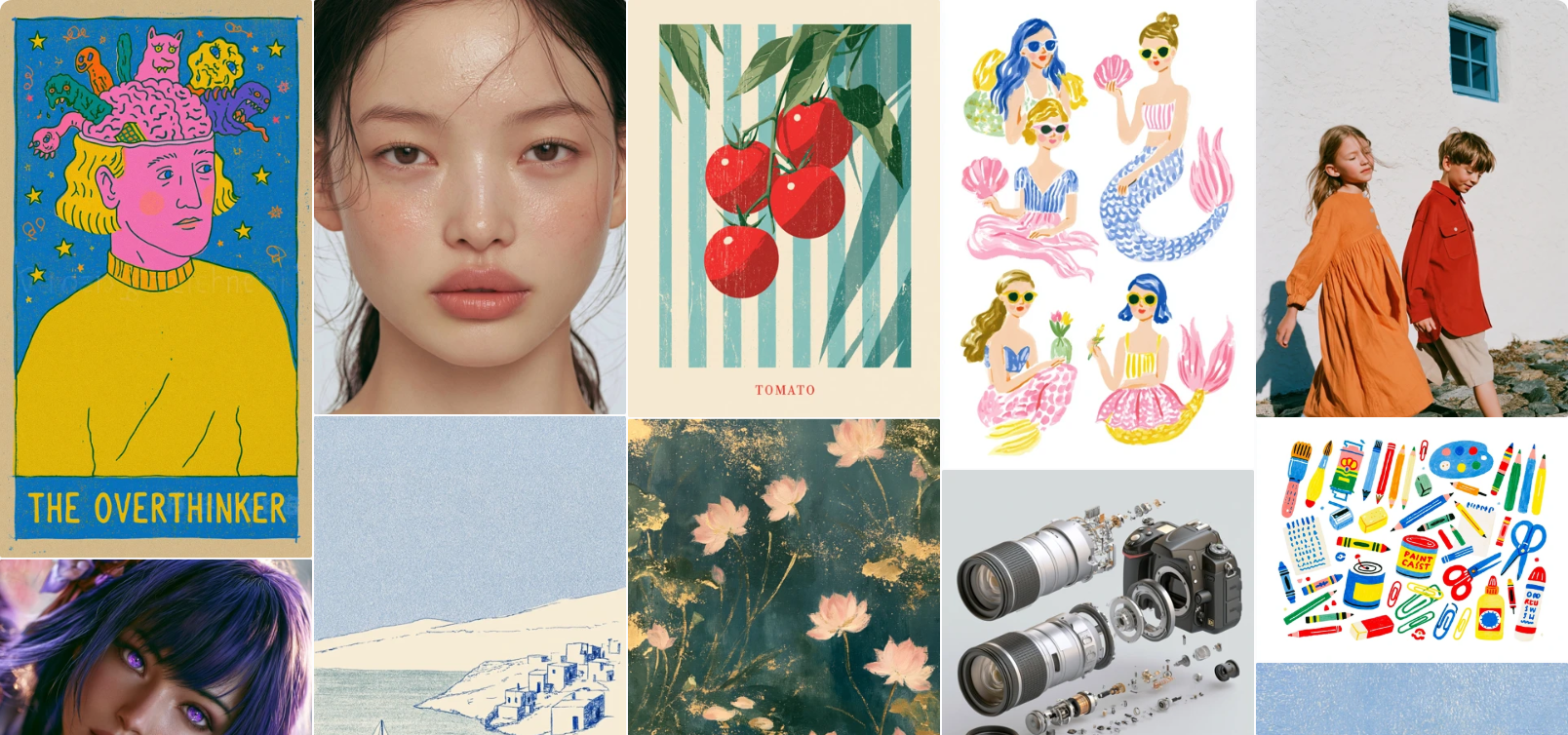
- Style Control Praise: @ResearchKONG (a Chinese creator) notes: “Midjourney still does watercolor best. V8.1’s brushwork is softer, and SREF tuning gives a big quality boost.”
- Cross-Tool Comparisons: @themacrosift compares ChatGPT Images 2.0, Grok, and Midjourney V8.1: “Speed isn’t the bottleneck anymore… Grok’s quality often feels overcooked.” Quality “style” becomes the new competition focus.
- Enthusiastic Fans: @The_Sycomore calls it: “The most powerful AI model I’ve ever seen. I’ll share months of style experiments.” (10k+ views, 291 likes)
- Landscape Photography Wins: @BarrakAli comments: “V8.1’s sweeping aerial landscapes have cinematic depth and atmosphere—a huge quality leap.” (349 likes)
- Video Workflow Integration: More users use V8.1 images as inputs for Seedance 2.0 video generation. @seiiiiiiiiiiru shares a quality ranking: “Midjourney V8.1 > GPT Image 2.0 > Seedance 2.0.”
What V8.1 Removes
Every update cuts some features. V8.1 drops:
- Character Reference (V6 feature, not supported in V7/V8.1)
- Omni Reference (V7 feature, not supported in V8.1)
- Niji Mode (incompatible)
- Draft Mode
- Turbo Mode
- Quality Parameter (–q)
- Multi-Prompting
This list reveals Midjourney’s priority: “Perfect core quality and speed first, then add advanced tools later.” Missing Character/Omni Reference means users needing consistent characters (e.g., comic artists, brand designers) may still prefer V6/V7 for now.
But the V8 Alpha announcement teases future additions: V8 upscalers, edit, inpainting, outpainting. These will fix many V8.1 limitations once released.
Competitive Edge: Midjourney’s Uncopyable Advantage
The 2026 AI image market looks very different from 2023.
- ChatGPT Images 2.0 leverages OpenAI’s ecosystem with strong prompt following and text rendering.
- Grok Imagine focuses on near-instant speed.
- Seedance 2.0 leads in video generation, with Midjourney images as common starting points.
But Midjourney has something rivals can’t easily copy: “A shared understanding of aesthetics.”
Eight generations of models have built a complete toolkit for style control: SREF, Moodboard, Personalization Profiles. Users invest not just GPU time, but also hours training custom styles and personal settings.
V8.1 strengthens this advantage while cutting costs. The big HD price drop isn’t charity—it’s locking users in. Once creators get used to 2K as standard, switching to other tools becomes much harder.